
How Rainwater Systems Protect Buildings from Water Damage
Discover how rainwater systems effectively shield buildings from water damage, ensuring structural integrity and longevity through innovative drainage solutions.
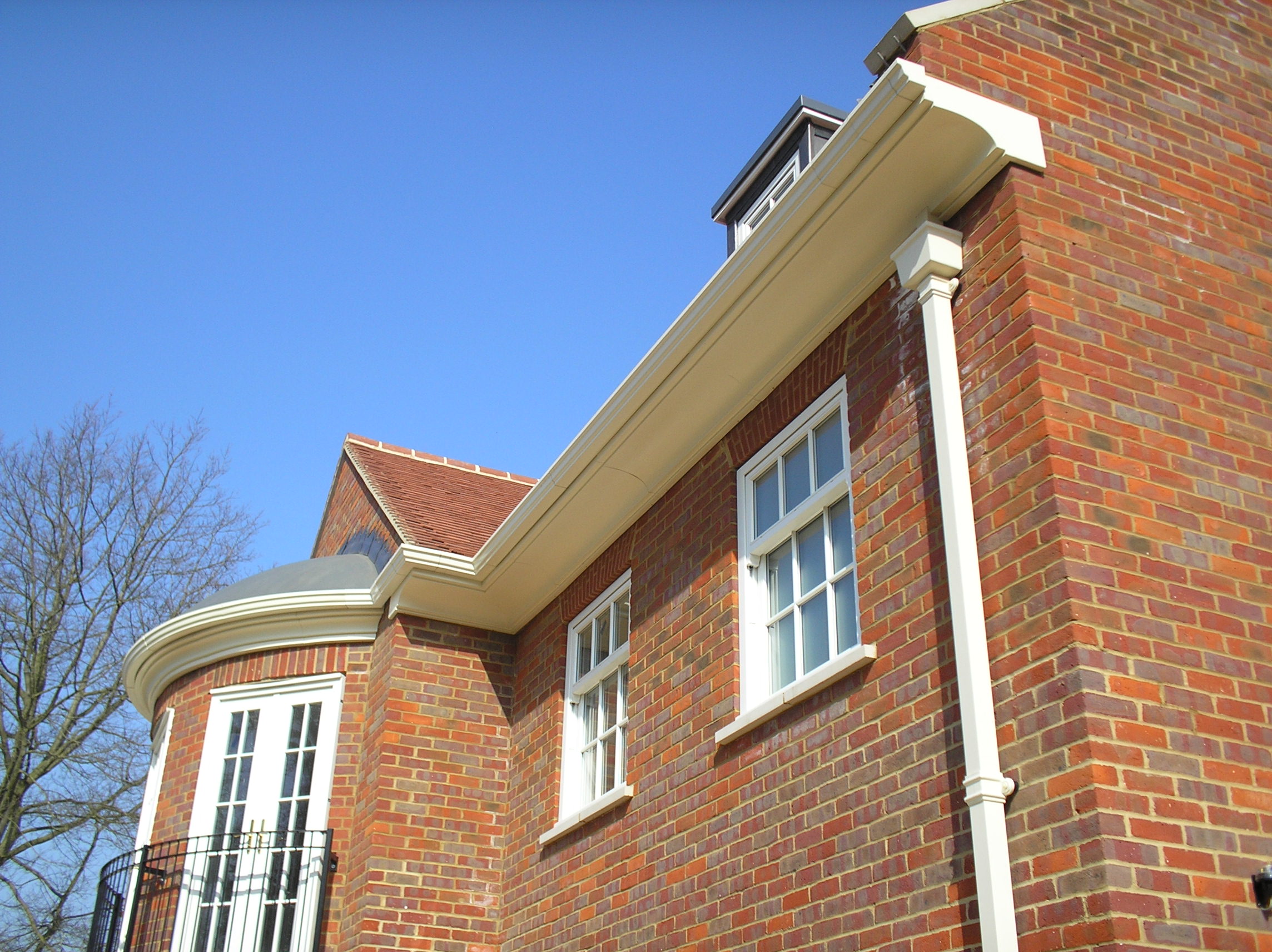
Rainwater systems are designed to collect, channel and safely discharge water from roofs.
They earn their keep by directing rainwater away from walls, foundations and building entrances – everything designed to protect your building from serious damage.
Understanding how rainwater systems protect buildings from water damage is the first step to ensuring that your building remains fully functional for as long as possible. That, plus working with a trusted company that has been providing such systems for its clients for decades.
Click here, call 0113 279 5854 or email info@rainguard.co.uk to talk to us about our rainwater systems, components, and the installation and support we provide.
Rainwater systems are a vital piece of your building’s protection against the elements and the damage they can cause.
A well-designed rainwater system helps protect buildings by:
Although it may seem like nothing at first, even the smallest amount of rainfall can lead to significant long-term damage if not prevented or dealt with in a timely manner. Luckily, such damage can all be prevented with an effective rainwater system.
Although rainwater systems are simple in design, they play a vital role in protecting a building.
A major question most home and business owners want to know is regarding the consequences of not having an effective rainwater management system. Well, in short, the consequences aren’t worth the risk.
Here’s a look at some of the possible outcomes:
Water Penetration
The main issue to worry about is that overflowing gutters or damaged downpipes can allow water to penetrate walls, roofs and internal spaces, leading to costly repairs. Such issues may require smashing down walls, which is where a lot of the cost accumulates.
Persistent moisture, which may even be a by-product of the water penetration, creates the ideal conditions for damp and mould, affecting both the structure of the building and indoor environments.
Poor drainage allows water to collect around foundations, gradually eroding the surrounding ground and increasing the risk of movement over time. Think of it like the way the sea constantly chips away at a cliff edge.
Repeated exposure to water can weaken brickwork, concrete, timber and other structural elements, particularly during freezing conditions.
Another consequence of water damage to internal walls or water running down external walls is unsightly staining, algae growth and discolouration, reducing the appearance of the building. If you decide to use your premises for any sort of commercial purpose or look to sell, such damage will be detrimental to the price you can sell at.
Poor drainage around entrances, pathways and car parks can create standing water, increasing the risk of slips and accidents. This can result in serious injuries, compensation claims, and further issues that could have all been avoided.
In other words, we strongly advise getting a rainwater system in place to avoid each and every one of these issues, as every single one of them could result in higher costs than an investment in the correct system and installation.
Different parts of a building are vulnerable when rainwater is not controlled effectively.
| Building Element | Potential Risk |
| Roof | Water overflows onto other areas |
| Walls | Damp penetration leading to mould |
| Foundations | Erosion and weaker structure |
| Entrances | Flooding and water spots, slip hazard |
| Car Parks | Standing water, no drainage, slip hazard |
| Landscaping | Washout damage, poor aesthetics |
One thing you can do is provide regular inspections and maintenance to help reduce these risks and extend the lifespan of the rainwater system. By doing this, you can avoid unnecessary costs and headaches.
So, what are the actual components of a rainwater system, and what do they actually do?
Here’s a look at all the key components that work together:
Let’s start with the gutters, which collect rainwater from the roof and channel it towards the downpipes. Depending on the type of building you have, there are different gutter profiles available, with varying capacities. Choosing the right ones is essential for effective water management.
Downpipes carry rainwater safely from the gutter system into the drainage network. Having something that can help maintain efficient flow while reducing the risk of blockages is very important.
You will likely need hoppers on larger commercial and heritage buildings. These are great for collecting the rainwater before sending it down the downpipe.
Everything else is pointless without having proper structural support for guttering while protecting the roof edge from weather exposure. That is what fascia boards provide.
The final component is the drainage connections to ensure collected rainwater is discharged safely into underground drainage systems or approved surface water outlets. This will take the water safely away from your premises, keeping your property safe from serious rainwater damage.
The effectiveness of a rainwater system depends not only on its design but also on the materials used. From building to building, depending on the age and size of the premises, whether it is a commercial or residential place, it can all impact the choice you make.
Even something like the aesthetics of your building needs to be considered when making the choice of material.
Modern systems are available in a range of materials, including:
Ultimately, choosing the right solution can improve durability, reduce maintenance and extend the lifespan of the entire system. This is why at Yeoman Rainguard, we strongly advise getting expert help before deciding on your rainwater system.
Spotting problems early can help prevent more serious damage.
Look out for:
If any of these issues are present, it’s important to inspect the system and carry out repairs before further damage occurs.
Advances in materials and manufacturing have made today’s rainwater systems more reliable than ever.
Modern systems offer:
High-quality guttering systems are designed to withstand challenging weather conditions while delivering dependable performance for many years.
At Yeoman Rainguard, we know from extensive experience that the most effective rainwater systems are designed to provide reliable long-term protection against water damage while minimising maintenance requirements.
While you may be concerned about the up-front costs, the likelihood is that you will save thousands of pounds in the long run!
Investing in a well-designed system made from high-quality materials helps protect your building, preserve its appearance and reduce the likelihood of expensive repairs in the future.
Guttering collects rainwater from the roof and directs it safely into the drainage system. Without effective guttering, water can overflow onto walls, foundations and surrounding areas, leading to damp, erosion, structural damage and increased maintenance costs.
Rainwater systems collect water from the roof through gutters before transporting it via downpipes into a drainage system. This controlled process prevents water from damaging the building and safely discharges it away from the property.
Discover how rainwater systems effectively shield buildings from water damage, ensuring structural integrity and longevity through innovative drainage solutions.
Discover the pros and cons of aluminium and plastic guttering. Make an informed choice for your home with our comprehensive comparison guide.
Explore the essentials of deep flow guttering, including its design, advantages, and how it can enhance your building’s drainage system. Get in touch today for your guttering and drainage needs.