
What Is Deep Flow Guttering?
Explore the essentials of deep flow guttering, including its design, advantages, and how it can enhance your building’s drainage system. Get in touch today for your guttering and drainage needs.
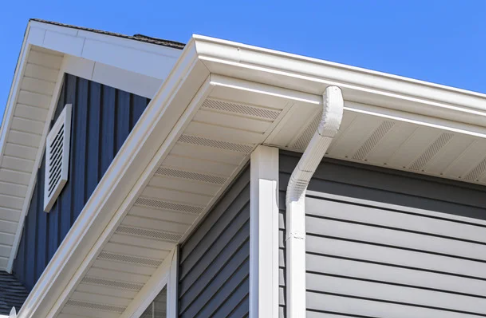
It’s very frustrating when your guttering leads to leaks when it rains. What’s worse is that the leakages, when left untreated, can lead to more expensive repairs for damp walls and roof issues. The good news is that learning how to fix guttering is often easier than you think.
Luckily, with the right tools, a steady ladder, a bit of patience, and the correct guidance, you can repair most guttering-related problems before they get worse. Guttering systems do not have to be overwhelming, especially when you work with a trusted partner, like Yeoman Rainguard.
Click here, call 0113 279 5854 or email info@rainguard.co.uk to contact Rainguard to talk to us about guttering.
The most important step to fixing your guttering system is to identify what the problem is. This is done by checking the full gutter run during dry weather.
When checking the full gutter run, you need to look for:
In most cases, blocked guttering is one of the most common causes of overflow. When debris builds up, rainwater cannot drain properly, which can create pressure and cause leaks at the joint or union. So, you may need to simply remove the blockage.
Based on experience, the number one piece of advice for fixing guttering systems is to clean the gutter thoroughly, so that water can run through the system naturally.
In order to remove leaves, dirt and other debris, simply do so by hand and rinse with warm soapy water. By doing this, you will ensure the pipes are clear, so water can flow freely to the ground.
Regular cleaning helps prevent blockages caused by rain, wind or snow, especially as these are common occurrences in the UK. Most modern guttering systems are designed to be easily cleaned and maintained, but they still need attention at least twice a year (more regularly during consistently heavy rain, snow, and wind).
Once the pipes are cleared, if there’s a leak, it’s most likely to appear at the gutter joint or union. This can happen if the seal has worn out or the joint has come loose. No need to panic, as it’s not a complex fix, just a little fidgety, so take a deep breath.
To fix:
All the parts that must make the joint are connected before you complete the repair. Also, you must allow the sealant to set before testing with water. For this reason, it is also worth checking the weather forecast to make sure it isn’t raining heavily on the day, either.
The good news is that repairing small cracks and holes in metal guttering can often be done without full replacement. This sort of damage can be thought of as minor damage.
For minor damage, you can:
However, if the repair isn’t a good solution because the length of the gutter is badly rusted or bent, replacement may be the better solution. In such instances, you must measure the length of guttering needed carefully, cut to size (with a hacksaw) and install the new section securely using wall plugs and brackets.
Make sure to test that the guttering is secure enough by putting some pressure on it, as that should make it safe for water.
Another issue that may need your attention is when your gutter is sagging. If you notice such an issue, immediately check the brackets and screws. Tighten or replace any loose fixings. A secure installation ensures proper rainwater flow and prevents strain on the gutter run.
Even though fixing your guttering isn’t too complex, it requires care and patience. So, it is important to follow safety procedures. Make sure to always use a stable ladder placed on firm ground. Never lean too far to one side, and avoid working during heavy rain or strong wind.
The most important thing to do is to seek further advice from a professional if you are unsure about installation or dealing with lead connections near the roof.
The best solution to keeping your guttering in good condition is regular maintenance. Luckily, this is an easy fix: clean your gutter twice a year, inspect joints and seals, and deal with small cracks before they turn into major leaks.
Knowing how to fix guttering helps protect your house, prevent damage to walls and keep rainwater flowing safely away from your home. This is why time spent on maintenance now can save a great deal of trouble later. However, when there are more complex issues with your guttering, get in touch with us at Yeoman Rainguard.
Click here, call 0113 279 5854, or email us at info@rainguard.co.uk to get the latest in repair advice or guttering supplies.
Explore the essentials of deep flow guttering, including its design, advantages, and how it can enhance your building’s drainage system. Get in touch today for your guttering and drainage needs.
Look up at your roof line, and you will see more than just tiles. Fascias, soffits and guttering all play a key role in protecting
Your guttering plays a major role in keeping the water flow rate smooth, protecting your building from preventable water damage. However, having the right guttering